

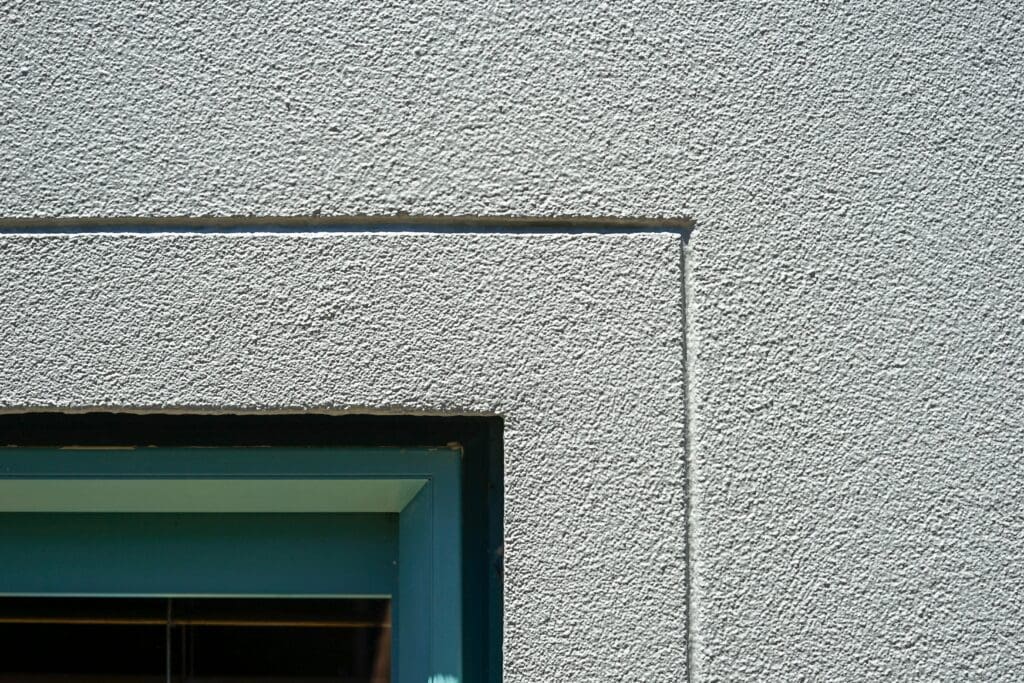
If you’re buying or selling property in Christchurch, understanding cladding is essential. Recent discussions within our team at Irelands highlighted just how much confusion still exists around this topic, particularly when it comes to monolithic cladding.
The main types of monolithic cladding
When we talk about monolithic cladding, although there are many types, we’re generally referring to three common categories:
- EIFS (Exterior insulation and finishing system)
Often called Plaster or Poly/Plaster cladding, this is what most people think of when they hear “monolithic cladding”. It is polystyrene sheets covered with plaster, and it became particularly common from the late 1980s through to the early 2000s. The key consideration is whether there is a cavity, and if the cladding is well-maintained. Properties built without a cavity (sometimes called “direct fix”) do not have ventilation space, which means if moisture gets in, it can’t easily get out. - Fibre cement
This is the more modern approach and what you’ll see on most new builds today. It’s a material that’s more robust and provides better protection against moisture issues. - Concrete/Roughcast
This is the traditional method you’ll see on older homes, particularly those built around the 1940s. Concrete was applied over the exterior, usually over a metal mesh, creating that distinctive textured finish.

What to look for
Whether you’re a buyer viewing properties or a seller preparing to list, here are some warning signs that warrant further investigation:
- Cracks in the cladding, particularly around windows and doors
- Insufficient clearance between cladding and ground level (sometimes garden beds have built up over time)
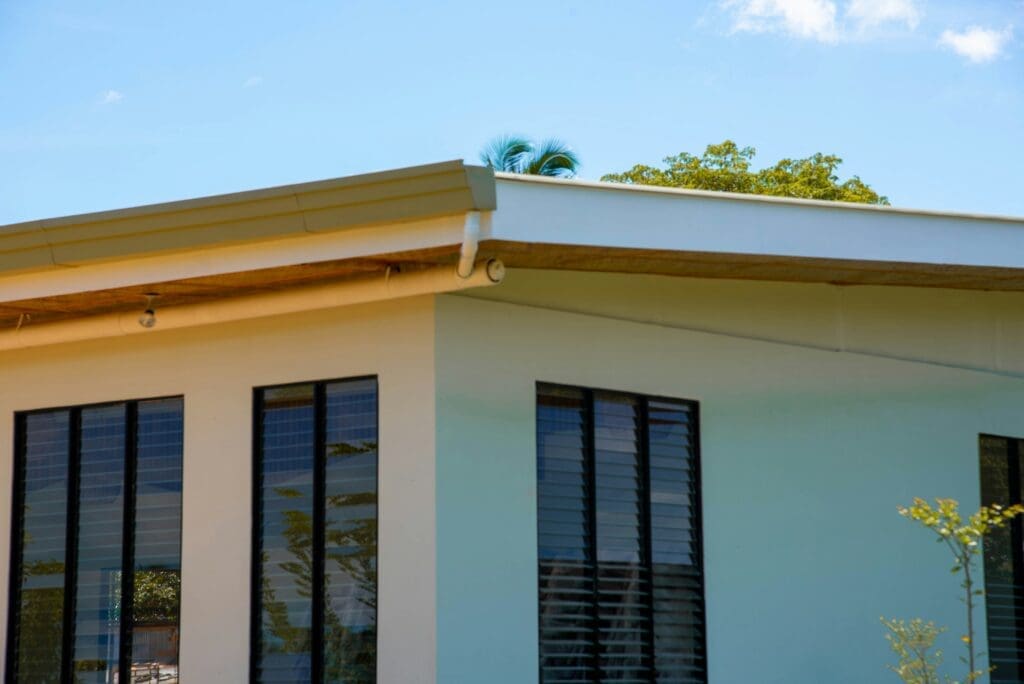
- Flat roofs with narrow or non-existent eaves
- Recessed windows or corner windows joined by silicon
- Damp patches, dark stains, or mould growth inside the property
- Swelling of skirting boards or lifting vinyl flooring
One often-overlooked issue is penetrations through the cladding. For example, things like hooks fitted directly into the exterior wall. These kinds of modifications need proper installation and sealing, otherwise they become entry points for moisture.
Addressing the stigma
Let’s be clear about something: not every plaster-clad home is a “leaky home”. The leaky building crisis was real and affected many homeowners, but many of these types of homes, when properly maintained, function perfectly well.
The key word is maintained. Poly/plaster cladding needs to be repainted every seven to ten years with elastomeric paint. This paint creates a seal that prevents water penetration. If this maintenance schedule is followed, and there are no structural issues, these homes can be perfectly sound.
For buyers, this can actually present an opportunity. For one, these properties may be better insulated than other properties of a similar age, and you may also be able to purchase one at a lower price than a counterpart with a different cladding.
Disclosure requirements for salespeople
Here’s something that might surprise you: as salespeople, even if we suspect there might be an issue with cladding, we must disclose it. The Real Estate Authority is clear on this point. It’s not sufficient to simply recommend a building report. As real estate professionals, we need to:
- Identify the type of cladding
- Point out any potential concerns to purchasers (after discussing with the owner, of course!)
- Strongly recommend a comprehensive building inspection
- Confirm all verbal disclosures in writing
Practical steps for buyers and sellers
Sellers:
- Know what type of cladding your property has.
- Be prepared to discuss maintenance history, particularly repainting schedules.
- Consider getting a builder’s report before listing. This will mean that we can address any concerns upfront.
- Disclose everything you know, even if you’re not certain it’s an issue.
Buyers:
- Always get an independent building inspection, regardless of the property’s age or condition.
- Ask specific questions about cladding type and maintenance.
- Look for evidence of regular maintenance (painting records, builder reports).
- Don’t let stigma alone put you off a property—focus on the actual condition.
Moving forward
The property market has matured significantly since the leaky building crisis made headlines. We now have better building standards, more awareness, and clearer disclosure requirements. What hasn’t changed is the importance of transparency and professional advice. Whether you’re buying or selling, understanding your property’s cladding and being upfront about it protects everyone involved in the transaction.
If you’re unsure about your property’s cladding or have questions about disclosure requirements, we’re here to help. At Irelands, we believe in providing clear, honest advice that helps you make informed decisions about your property.
For more information, check out Settled.govt.nz, speak with a licensed building professional, or have a chat with one of our team